Overview
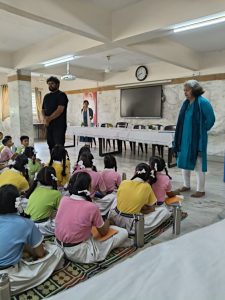
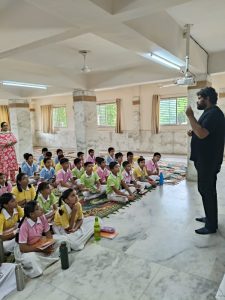
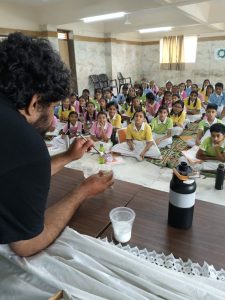
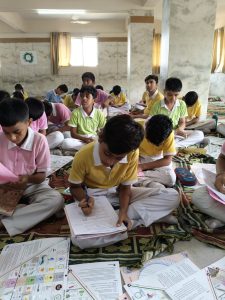
On Wednesday, July 9, 2025, Sadhu Vaswani School hosted an engaging E-STEM (Environmental Science, Technology, Engineering, and Mathematics) Hands-On Workshop from 8:00 AM to 2:00 PM. The event was organized by the VASCSC and funded through a Corporate Social Responsibility (CSR) grant from Pratt & Whitney, a multinational corporation specializing in airplane engine manufacturing. The workshop aimed to foster environmental awareness and scientific curiosity among students through interactive activities and demonstrations, emphasizing practical solutions to pressing environmental challenges. 66 students of Grades VI to VIII participated in the workshop.
Resource Persons
The workshop was facilitated by a team of skilled educators from VASCSC:
- Mr. Vismay: Led discussions on environmental science and guided hands-on activities.
- Mr. Zeel: Focused on the technical aspects of the demonstrations and their scientific underpinnings.
- Ms. Miloni: Engaged students in creative and interactive learning experiences, ensuring accessibility of complex concepts.
Objectives
The primary goal of the workshop was to educate students about drastic environmental changes and promote a scientific approach to addressing them. Specific objectives included:
- Understanding methods to reduce pollution.
- Exploring the adverse effects of carbon dioxide (CO2) on the environment.
- Learning strategies to curb ozone layer depletion.
- Engaging in hands-on activities to reinforce scientific concepts through practical application.
Workshop Content and Activities
The workshop combined theoretical discussions with hands-on activities to provide a holistic learning experience. Below is a detailed breakdown of the key topics and activities:
- Reducing Pollution
The session began with a discussion on pollution, its sources, and its impact on ecosystems and human health. The resource persons highlighted practical measures to reduce pollution, such as:
- Promoting renewable energy sources.
- Encouraging waste segregation and recycling.
- Advocating for sustainable transportation options, like cycling or using public transport. Students were encouraged to brainstorm local solutions, fostering a sense of responsibility toward their community.
- Adverse Effects of CO2 on the Environment
This segment focused on the role of CO2 in climate change, including global warming and ocean acidification. Key points included:
- How increased CO2 levels trap heat in the atmosphere, leading to rising global temperatures.
- The impact of CO2 absorption by oceans, causing acidification and harm to marine life.
- The importance of reducing carbon footprints through energy conservation and reforestation. Visual aids and interactive discussions helped students grasp the long-term consequences of CO2 emissions.
- Curbing Ozone Layer Depletion
The workshop addressed the depletion of the ozone layer, emphasizing its role in protecting life from harmful ultraviolet (UV) radiation. Key strategies discussed included:
- Reducing the use of ozone-depleting substances, such as chlorofluorocarbons (CFCs).
- Supporting global agreements like the Montreal Protocol.
- Raising awareness about eco-friendly alternatives in industries and households. A short quiz was conducted to reinforce understanding of the ozone layer’s significance and the steps needed to protect it.
- Hands-On Activities
The workshop featured three interactive activities designed to make abstract scientific concepts tangible and engaging:
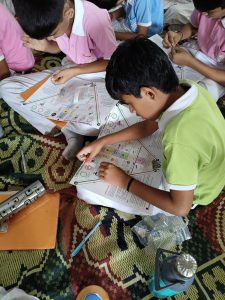
- Drawing a Cardioid Shape
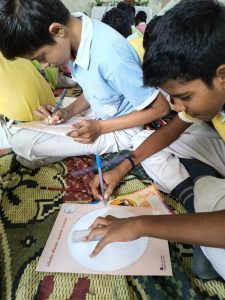
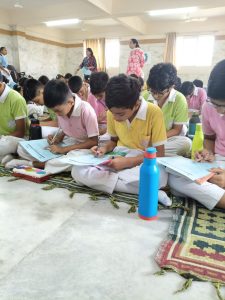
Students participated in an activity to draw a cardioid, a heart-shaped mathematical curve, to explore the intersection of mathematics and environmental science. This activity demonstrated how geometric patterns can be applied to model natural phenomena, such as wave patterns or energy distribution in environmental systems. The hands-on exercise encouraged creativity and precision, with students using graph paper and compasses under the guidance of the facilitators.
- Demonstration: Turning Water to Gel
A captivating demonstration showcased the transformation of water into a gel-like substance using a superabsorbent polymer, such as sodium polyacrylate. This activity illustrated the concept of chemical absorption and its applications in environmental management, such as:
- Water retention in agriculture to reduce irrigation needs.
- Managing liquid waste in industrial settings.
- Developing sustainable materials for environmental cleanup. Students were fascinated by the visual transformation and engaged in discussions about the underlying chemistry.
- Activity: Dipping Shell in Vinegar
To highlight the effects of acidic rain, students conducted an experiment where a seashell was dipped in vinegar (a weak acid). This activity demonstrated how acidic substances corrode calcium carbonate, the primary component of shells, mirroring the impact of acid rain on natural structures like limestone formations and marine ecosystems. Key takeaways included:
- Understanding the chemical reaction between acids and carbonates.
- Recognizing the environmental consequences of acid rain caused by pollutants like sulphur dioxide and nitrogen oxides.
- Discussing mitigation strategies, such as reducing industrial emissions.
Collaboration and Funding
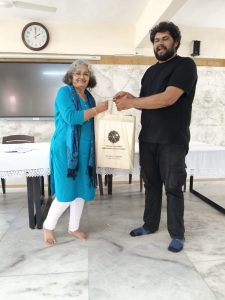
The workshop was made possible through a CSR grant from Pratt & Whitney, reflecting their commitment to environmental education and community development. The collaboration with VASCSC ensured that the program was tailored to engage young learners effectively, combining scientific rigor with hands-on learning. This partnership highlighted the importance of corporate-academic collaborations in addressing global challenges like climate change.
Impact and Outcomes
The E-STEM workshop successfully engaged students in learning about environmental issues through a blend of theory and practice. Key outcomes included:
- Increased awareness of environmental challenges, such as pollution, CO2 emissions, and ozone depletion.
- Enhanced understanding of scientific concepts through hands-on activities.
- Inspiration for students to pursue STEM-related fields and contribute to sustainable solutions.
- Strengthened collaboration between Sadhu Vaswani School, VASCSC, and Pratt & Whitney, setting precedence for future educational initiatives.
Summary
The E-STEM Hands-On Workshop at Sadhu Vaswani School on July 9, 2025, was a resounding success, providing students with valuable insights into environmental science and practical solutions to global challenges. Through engaging discussions and hands-on activities led by Mr. Vismay, Mr. Zeel, and Ms. Miloni, the workshop fostered curiosity, critical thinking, and a sense of responsibility toward the environment. The support from Pratt & Whitney and VASCSC underscored the power of collaborative efforts in advancing STEM education and environmental awareness. 66 students of grades VI to VIII participated in the workshop. It was indeed a great learning experience for one and all.